Understanding Home Appraisals What Buyers and Sellers Need to Know

Understanding Home Appraisals What Buyers and Sellers Need to Know

A home appraisal is one of the most important steps in the real estate transaction process. For both buyers and sellers, it provides an unbiased evaluation of a property’s market value, helping to establish a fair price. Appraisals play a significant role in determining the outcome of a sale, influencing financing, negotiations, and closing details. By understanding the appraisal process, you can avoid potential setbacks and make more informed decisions whether you’re buying or selling a home.

1. What is a Home Appraisal?

A home appraisal is a comprehensive evaluation of a property’s value conducted by a licensed professional appraiser. This process helps determine the current market value of a home based on factors like its location, condition, size, and the recent sale prices of similar properties (often referred to as “comps”). For lenders, appraisals are an essential step to ensure that they’re not lending more than the home is worth.

The appraiser’s job is to remain impartial, providing a fair assessment that protects both the buyer and the lender. While the seller may set the asking price, the appraised value helps ensure that the sale price is aligned with the property’s true worth. The appraisal typically includes a detailed inspection of the property, a comparison to recent local sales, and a final report on its value.
Hand holding a magnifying glass over a small model house during a home inspection.

2. How Appraisals Impact Buyers

For buyers, the home appraisal is critical in ensuring that you’re making a sound investment. A lender will require an appraisal to ensure that the property is worth the loan amount being requested. If the appraisal matches or exceeds the offer price, the sale can move forward as planned. However, if the appraised value is lower than expected, buyers may face significant hurdles.

In the case of a low appraisal, the lender may refuse to finance the full loan amount, leaving the buyer to cover the difference out-of-pocket or renegotiate the purchase price. Alternatively, buyers can choose to contest the appraisal, though this is a more complicated process. Ensuring you’re not overpaying for the property is vital, and the appraisal provides the data to make a confident decision.

3. How Appraisals Impact Sellers

For sellers, the appraisal can serve as a double-edged sword. A favorable appraisal confirms that your asking price is fair, making it easier to close the deal. However, a low appraisal may force you to reconsider your pricing strategy. If the appraisal comes in lower than the buyer’s offer, the buyer may push to reduce the purchase price or cancel the deal altogether.

To maximize your chances of a favorable appraisal, it’s essential to prepare your property in advance. This means making necessary repairs, decluttering spaces, and showcasing upgrades or renovations that might add value. Simple updates, such as fresh paint or landscaping, can improve the appraiser’s perception of the home’s condition, potentially boosting the final value.

4. Factors That Influence a Home’s Appraisal Value

Several factors influence a home’s appraised value, and understanding them can help both buyers and sellers manage expectations:

  • Location: Homes in desirable neighborhoods with good schools, low crime rates, and access to amenities like parks, shops, and public transport will typically command higher values. On the other hand, homes in areas with less appeal may see lower appraisals, even if the property itself is in excellent condition.
  • Condition: The appraiser will assess the condition of the home, including the structural integrity, roof inspection, foundation, and key systems like heating and plumbing. A well-maintained home is likely to receive a higher appraisal than one that requires significant repairs or updates.
  • Comparable Sales (Comps): The appraiser will look at recent sales of similar homes in your area to gauge your property’s market value. These comps are typically from properties that have similar square footage, features, and are located in the same or nearby neighborhoods.
  • Market Trends: The state of the broader real estate market also plays a role. In a seller’s market, where demand is high and inventory is low, appraisers may give higher valuations compared to a buyer’s market where home prices are more stagnant or declining.

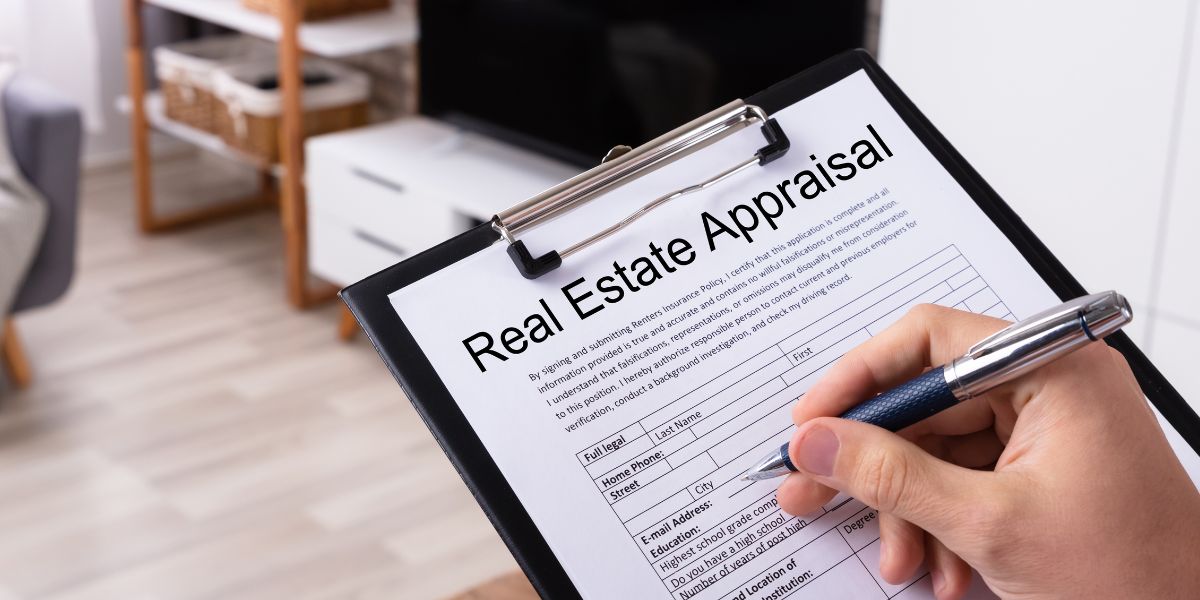
Close-up of a real estate appraisal form on a clipboard, with a person filling it out.

5. What to Do if the Appraisal is Too Low?

A low appraisal can cause headaches for both buyers and sellers, but it doesn’t have to end the deal. If the appraised value comes in below the agreed-upon sale price, here are a few steps you can take:

  • Renegotiate the Sale Price: Often, the most straightforward solution is for the buyer and seller to renegotiate the sale price to match the appraised value. This ensures the buyer doesn’t need to come up with additional funds, and the lender remains comfortable financing the deal.
  • Make Up the Difference: Buyers may opt to cover the gap between the appraised value and the sale price by increasing their down payment. While this requires more cash upfront, it can help avoid derailing the transaction.
  • Dispute the Appraisal: In some cases, it may be possible to dispute the appraisal. If you believe the appraiser missed critical factors or comps were not accurately selected, you can submit a formal challenge. This often requires providing additional evidence, such as more recent comps or documentation of improvements made to the property.
  • Seek a Second Opinion: Some buyers and sellers opt to order a second appraisal, especially if they feel the first one was too conservative. However, lenders typically prefer to stick with the original appraisal, so this strategy may not always work.

Conclusion

Understanding how home appraisals work is a key part of a successful real estate transaction. For buyers, it ensures that you’re making a smart investment, while for sellers, it provides an objective measure of your home’s value. Whether you’re buying or selling, knowing how appraisals impact the process will help you prepare for any challenges and come to the negotiating table with confidence.

By being well-informed, you can better navigate potential obstacles, ensuring a smoother, more efficient sale or purchase. So, when you embark on your real estate journey, make sure the appraisal is an asset in your favor rather than a hurdle to overcome.


Timeless Updates: How to Refresh Your Home with Lasting Style

Timeless Updates: How to Refresh Your Home with Lasting Style

Setting the Stage for Lasting Style in Your Home

Timeless design is about creating spaces that remain stylish and functional for years. Unlike fleeting trends, timeless design focuses on elements that are classic, elegant, and enduring. By embracing timeless design, you ensure your home maintains its appeal and usability over time. This approach not only enhances the aesthetic value of your home but also adds to its overall functionality and comfort.

We’ll explore how to achieve timeless design in three key areas of your home: the kitchen, bathroom, and living room. Each of these spaces plays a crucial role in your daily life and deserves thoughtful consideration. We’ll discuss how to use neutral color palettes, quality materials, and classic styles to refresh these areas with lasting style and appeal. Specifically, we’ll delve into effective strategies for timeless kitchen updates, enduring bathroom design, and creating an inviting living room. By the end of this guide, you’ll have a comprehensive understanding of how to infuse timeless elegance into your home, ensuring it remains beautiful and functional for years to come.

Timeless Design in the Kitchen

timeless kitchen

Neutral Color Palettes

Using whites, creams, and soft earth tones in your kitchen creates a cohesive and inviting atmosphere. These neutral colors work well for cabinets and walls, providing a clean, classic backdrop. They allow other elements, like countertops and appliances, to stand out. For example, white cabinets paired with a marble countertop offer a timeless look that feels both fresh and elegant. Neutral colors are versatile, making it easy to change decor or add pops of color with accessories without disrupting the overall design.

Quality Materials

Investing in quality materials is crucial for a timeless kitchen. Hardwood floors, granite countertops, and stainless steel appliances are durable and visually appealing. These materials stand up to daily wear and tear, ensuring your kitchen looks great for years. Hardwood floors bring warmth and natural beauty, while granite countertops add sophistication and durability. Stainless steel appliances not only provide a sleek, modern look but also offer longevity and ease of maintenance. By choosing quality materials, you create a foundation that remains attractive and functional over time.

Classic Furniture Styles and Functional Layouts

Choosing timeless kitchen furniture can make a big difference. Farmhouse tables and classic bar stools are excellent options. These pieces add charm and character, seamlessly blending with modern appliances. A sturdy wooden table or a set of elegant bar stools can serve as focal points, enhancing the overall aesthetic of your kitchen.

Additionally, a functional layout is essential for a timeless kitchen. Open floor plans and practical layouts improve movement and workflow. Organize your kitchen spaces for maximum efficiency. For instance, place frequently used items within easy reach and ensure ample counter space for food preparation. An island or peninsula can provide additional workspace and storage, making your kitchen both beautiful and highly functional. A well-designed layout ensures that your kitchen remains a pleasure to use, balancing form and function seamlessly.

Timeless Design in the Bathroom

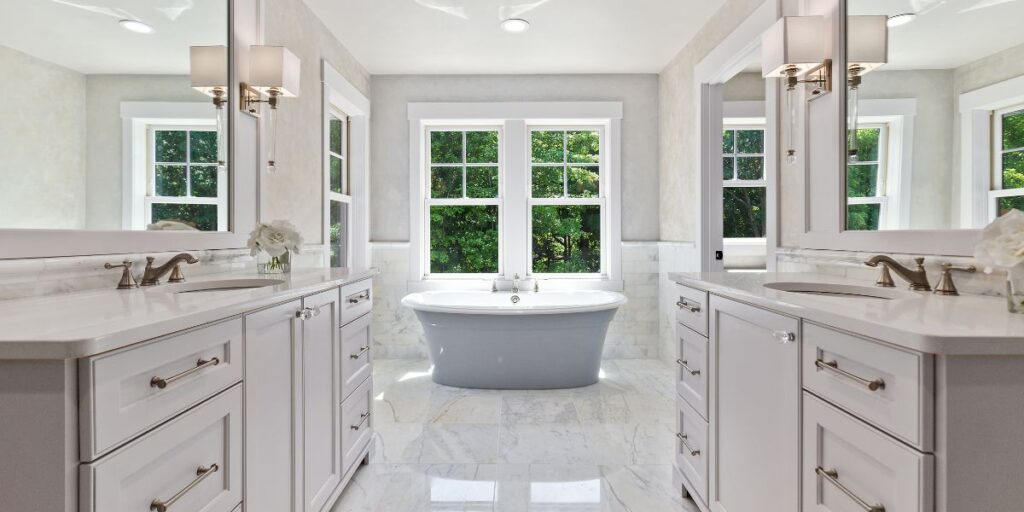
timeless bathroom tub

Neutral Color Schemes

Soft palettes in the bathroom create a serene, spa-like atmosphere. Think of whites, grays, and soft blues. These colors promote relaxation and can easily be complemented with accent colors through accessories. Towels, rugs, and shower curtains are perfect for adding a splash of color that can be updated as trends change. Neutral color schemes provide a calming backdrop, making the bathroom a peaceful retreat. This approach ensures that the space remains fresh and inviting, regardless of changing trends.

Durable and Elegant Materials

Timeless bathrooms feature materials like marble, porcelain tiles, and quality fixtures. These elements are not only beautiful but also long-lasting. Marble countertops and porcelain tiles resist wear and maintain their elegance over time. Quality fixtures, such as brass or chrome faucets, add a touch of luxury that never goes out of style. By choosing durable and elegant materials, you ensure your bathroom remains stylish and functional for years. These materials offer both aesthetic appeal and practical benefits, contributing to the overall longevity of the space.

Classic Fixtures

Vintage-inspired faucets and pedestal sinks add timeless character to any bathroom. These classic fixtures blend seamlessly with modern amenities. Vintage-style faucets, for example, bring elegance and charm, enhancing the bathroom’s overall appeal. Pedestal sinks offer a clean, simple design that fits well with various decor styles. These fixtures provide a sense of nostalgia while integrating well with contemporary design elements, creating a balanced and cohesive look. By choosing these classic elements, you ensure your bathroom remains stylish and functional for years to come.

Smart Storage Solutions

Built-in storage and cabinetry are crucial for a clutter-free, organized bathroom. Consider recessed shelves or cabinets that blend with your bathroom’s design. Smart storage solutions ensure your space remains tidy and functional without sacrificing style. Think about installing a vanity with ample drawer space or wall-mounted cabinets for extra storage. Additionally, use baskets and containers to organize smaller items, keeping the bathroom neat and accessible. Efficient storage solutions contribute to the bathroom’s overall aesthetic and functionality, making it easier to maintain a clean and organized space.

Timeless Design in the Living Room

timeless living room

Neutral and Inviting Color Palettes

Neutral colors in the living room create a welcoming environment. Shades of beige, gray, and taupe are excellent choices. These colors provide a versatile backdrop for various decor styles. Complement these neutrals with accent colors in pillows, rugs, and decor items. This approach allows you to update your living room’s look easily without a complete overhaul. Neutral color palettes also enhance the sense of space and light, making your living room feel open and airy.

Quality Furniture and Natural Elements

Investing in timeless furniture pieces is key for a stylish living room. A classic sofa or an elegant coffee table can serve as the room’s focal points. Choose pieces that are well-made and comfortable. High-quality furniture not only looks great but also lasts longer, ensuring your living room remains inviting and stylish over time.

Incorporating natural elements like plants, natural light, and organic materials enhances the warmth of your living room. Indoor plants add a touch of greenery and improve air quality. Maximizing natural light with sheer curtains or large windows creates a bright and cheerful atmosphere. Organic materials like wood and stone bring a sense of nature indoors, creating a calming and inviting space. These elements work together to create a harmonious and timeless living room.

Don’t forget to extend timeless design principles to the exterior of your home. Maintaining a well-kept yard and incorporating classic outdoor furniture can enhance your home’s curb appeal. Consider planting perennial flowers and shrubs that offer year-round beauty. Adding a comfortable seating area with durable, weather-resistant furniture allows you to enjoy outdoor spaces just as much as the indoors. By paying attention to both the interior and exterior, you create a cohesive and inviting home environment.

Personal Touches and Accessories

Adding personal touches makes your living room uniquely yours. Display artwork, family photos, or heirlooms to infuse the space with your personality. These elements can coexist with timeless design principles, adding character and warmth. For example, a gallery wall of family photos or a cherished antique vase can serve as meaningful decor pieces. Personal touches make the space feel lived-in and loved, reflecting your individual style and history.

Choose accessories that complement the overall design without overwhelming it. Think of items like elegant throw blankets, decorative pillows, and tasteful knick-knacks. These details add layers of texture and interest to the room. By carefully selecting and arranging your accessories, you create a balanced and aesthetically pleasing living room that feels both timeless and personal.

Achieving Lasting Elegance and Functionality in Your Home

Incorporating timeless design elements in your home ensures it remains stylish and functional for years whether you are preparing to sell your home or want to updated it for your own enjoyment. By focusing on neutral color palettes, quality materials, and classic styles in your kitchen, bathroom, and living room, you create spaces that are both beautiful and enduring. These design principles transcend fleeting trends, providing a stable foundation that can adapt to subtle changes in decor and personal tastes over time. The key to timeless design is balance—finding harmony between aesthetics and practicality to create a home that is inviting, comfortable, and uniquely yours.

Investing in timeless elements not only enhances the visual appeal of your home but also adds to its overall value and longevity. Quality materials like hardwood floors, marble countertops, and well-crafted furniture ensure your spaces can withstand daily wear and tear while maintaining their charm and elegance. Neutral color palettes provide a versatile backdrop that can easily accommodate new trends or personal touches, keeping your home fresh and updated without extensive renovations.

By embracing timeless design, you create a home environment that is not only stylish but also deeply personal and functional. Whether it’s a well-organized kitchen, a serene bathroom retreat, or a welcoming living room, the principles of timeless design help you achieve a cohesive and harmonious look that you and your family will enjoy for years to come. Consider these tips and strategies as you refresh your home, ensuring that each space reflects your taste and lifestyle while standing the test of time.

How Do I Sell My House? 

How Do I Sell My House? 

Selling your house can be a complicated and emotionally taxing process, but it doesn’t have to be. With the right guidance and preparation, it’s possible to make a smooth transition from homeowner to seller. 

Here are the steps you need to take in order to successfully sell your home:

1. Determine Your Real Estate Market 

The first step in selling your house is to determine the real estate market in your area. Do some research and find out what the average sale prices are for homes in your neighborhood. 

This will help you determine how much you can realistically ask for your house. Keep in mind that the market can fluctuate and you may need to adjust your price accordingly. 

2. Prepare Your Home for Sale 

Once you have an idea of your home’s value, it’s time to start getting it ready for potential buyers. Start by decluttering and deep cleaning your home. 

You want to make sure that the house looks as inviting and attractive as possible. Consider making small repairs and upgrades that will increase the value of the home.

Even if there aren’t any major repairs, it is important to inspect your home and make any small repairs that you have been putting off. Repainting, patching holes, and repairing trim can make a huge difference.

3. Price Your Home 

Once your home is ready for sale, you’ll need to decide on the right price. It’s important to be realistic when pricing your home. 

Too high and you won’t attract any buyers, too low and you won’t make as much money as you could. Consider the market, the condition of the home, and your own financial goals before pricing.

Selling with an agent: You can trust their expertise to help you determine a fair list price. The agent will provide you with a comparative marketplace analysis (CMA), also known as comps. They won’t be emotionally attached to your home and will be able to pinpoint the fair market value.

For-sale by-owner (FSBO), process: If you manage your own listing, you can request a market analysis from a local agent. You can also research comparable properties online, and follow best pricing practices.

home for sale

4. Market Your Home 

Once you’ve set the price, it’s time to start marketing your home. You can list it on an online real estate site, have open houses, or work with a realtor. Make sure you include plenty of photos and information about the home to attract buyers.

Selling with an agent: Most realtors will recommend a professional photographer (and often they have a photographer that they work with at a reduced rate). After you have taken the photos, your agent will promote your listing on the internet, social media, and through word-of-mouth.

The FSBO Process: Although the marketing is up to you, you will probably still want professional photos. You can list your FSBO on many websites. Social media sharing is also a good idea. To accommodate as many buyers as possible, keep your schedule open and maintain a clean home once the showing requests start to come in.

5. Negotiate and Close the Sale 

Once you’ve attracted potential buyers, it’s time to negotiate. This can be a tricky process, so it’s important to have a good understanding of the market and the value of your home. Be prepared to negotiate and come to an agreement that works for both you and the buyer. 

Once the negotiations are finished and the sale is made, you’ll need to close the deal with the help of a lawyer. 

Why it is Beneficial to Use a Discount Real Estate Broker 

Using a discount real estate broker can be beneficial when selling your home. A discount broker will typically charge a lower commission than a traditional broker, which can add up to substantial savings. 

Discount brokers also offer a wide range of services, such as helping with marketing and negotiating the sale. They’re also knowledgeable about the local real estate market and can give you advice on pricing and other aspects of the sale. 

Conclusion 

Selling a home can be a complicated and time-consuming process, but it doesn’t have to be. With the right preparation and guidance, you can make the process much smoother. 

Start by determining the local real estate market and prepare your home for sale. Next, price your home and market it to potential buyers. Finally, negotiate and close the sale with the help of a real estate broker. 

Using a discount broker can help you save money and get the most out of your sale. With the right preparation and guidance, you can successfully sell your home and move on to the next chapter of your life.

What is a Flat Fee Realtor?

What is a Flat Fee Realtor?

When you begin house hunting, you’ll quickly discover that real estate agents come in all shapes and sizes. While some show homes for a fee, others charge a percentage of the sales price on completion. 

But there’s also a third category of agent: one who charges a flat fee for their services. So how do you know if that kind of realtor is right for you? Or maybe you have friends who recently moved to another city, or somewhere they’ve always wanted to live. 

Maybe they mentioned wanting to find an agent who works on commission, has no minimum fee, and only takes their standard commission rate once the property sells? If so, then let them know about these great Realtors who won’t rip them off in any way – they are called “Flat Fee Real Estate Agents”.

What is a flat fee realtor?

A flat fee realtor, also known as a discount real estate broker, charges a set fee for their services regardless of the outcome of their efforts on your behalf. Typically, flat fee agents will charge anywhere from $5,000 to $10,000 to broker a single home sale, while those brokering a purchase of real estate will usually charge between $2,000 and $5,000. 

Some agents are willing to negotiate a flat fee on a case-by-case basis, making it possible for the fee to be either higher or lower than the figures above. The flat fee is paid when the agent signs a contract with you and the fee is due at the time the contract is signed. 

It is not due upon the successful sale of a property. In fact, it is paid whether or not the property sells. But if the property doesn’t sell, the agent is not obligated to try to sell it again.

Flat Fee Realtor

Why use a flat fee Realtor?

There are several reasons why someone might be best served by hiring a flat fee realtor. The first and most obvious one is that a person may not be able to afford to pay a higher commission on a successful sale of a home. 

So, a flat fee agent can be a great option for someone with a limited budget. Another reason to use a flat fee realtor is if you’re not in a rush to sell your home. Remember, if you go with a commission-based realtor, you are not only hiring a real estate agent to find a buyer for your home. 

You are also hiring someone who will attempt to line up a buyer for your home on your behalf and close the sale, which means the entire process can sometimes take a long time. If you’re in a rush to sell your home with a commission-based agent, you may end up paying more just to speed up the process. 

If you go with a flat fee agent, you won’t have to worry about paying any additional fees just to speed up the process.

Who should use a flat fee Realtor?

Anyone who can’t afford to pay a higher commission or who is in a rush to sell his or her home should use a flat fee agent. Anyone who is in a financial bind and can’t afford to pay a higher commission may want to consider a flat fee agent. 

The same goes for people who need to sell their homes and move on quickly.

Who should not use a flat fee Realtor?

Anyone who has the money to pay a higher commission and/or who isn’t in a rush to sell their home should steer clear of a flat fee agent. 

Anyone who can afford to pay a higher commission should use a commission-based agent instead. Or is in a rush to sell their home should use a commission-based agent.

home sold

Final Words: Are Flat Fee Real Estate Agents Worth It?

Flat fee realtors are not “worth it” if you only care about saving money. But, if you want to get your house sold – as quickly and easily as possible – a flat fee realtor is your best option. There is no arguing that when it comes to real estate, time is money. 

The earlier you sell your home, the more money you will make on the sale. And because a flat fee agent is paid upfront, you don’t have to worry about paying them more if you sell your home quickly. 

On the other hand, if you have to wait a long time to sell your home with a commission-based agent, you will end up paying more in the long run.

How Discount Real Estate Brokers Work

How Discount Real Estate Brokers Work

Discount real estate broker breakdown

Low rates are the main focus of discount real estate brokers. Many discount brokers offer a built-in commission savings of 20-30% when listing with a traditional brokerage or realtor.

You will need to learn how real estate commissions work to understand how they can save you money.

One study found that the median income for an real estate agent in the United States is $42,246, with the highest-earning agents earning up to $64,198. This income comes primarily from commission fees.

The seller pays the commission fee in a traditional real estate transaction. Or, more precisely, it is taken from the seller’s proceeds at closing.

The average commission rate of 5.45% is made up of two separate fees per agent involved in the sale.

  • The listing agent receives the fee to market the property and helps it sell.
  • For bringing their client to buy the home, the buyer’s agent’s fee is paid to them.

The commission is usually split between the two agents. In this case, each agent would make approximately 2.7%.

Traditional commission breakdown

FeeRate
Listing fee2.7%
Agent fee for the buyer2.7%
Total commission5.45%

Discount brokers often offer discounts on the listing fees side of the equation. For example, a discount broker might charge a 1% listing fee instead of the 2.5-3% standard, which would lower the total commission to approximately 3.7%.

Discount commission breakdown

FeeRate
Reduced listing fee1%
Agent fee for the buyer2.7%
Total commission3.7%
Real Estate Commission

Notice: Buyer’s agent fees are around 2.5-3 percent

Discount brokerages, and traditional agents, for that matter, will advise you to pay the full buyer’s agent fees. The rates vary depending on the market but are generally 2.5-3 percent nationwide.

Why is it so essential to offer a full buyer agent commission? It encourages other agents to sell your home to clients. This is your best chance to find a qualified buyer quickly and get the best price for your home.

How can discount brokers in real estate charge lower fees

Discount brokerages often have pricing and service models that provide real value to their customers.

An example is a company that saves money by solving big problems for traditional agents and generates steady business volume.

Even the most successful realtors can spend a lot of money marketing. This allows them to meet new clients with no upfront costs. They can charge a fraction of the typical commission fee to your agent and pass these savings onto you.

These discount brokers need to be more efficient than traditional brokerages to offer lower rates and remain profitable. Each company approaches this differently, but the majority of them use some combination of these:

  1. Attracting new customers with less-expensive initiatives
  2. A smaller team handling a greater volume of customers.
  3. Upsell existing customers to other in-house services (loan title, insurance).

It’s not surprising that some strategies are more successful than others. Understanding the business model and the risks involved in discount brokerage is important. Check out these real estate trends to help get a better understanding of how

Five common drawbacks of discount brokerages in real estate

  1. Hidden fees
  2. Upfront fees
  3. Minimum fees
  4. Cancellation fees
  5. Commission for the Buyer’s Agent

If you are considering hiring a discount brokerage or agent for real estate, shop around and compare several options to ensure you get the best value for your needs.

The bottom line: Should you use discount brokers?

A discount broker is a good option for most home sellers. Brands like Change Realty provide great customer service and big savings. We recommend discount brokers because they offer a similar experience as working with traditional realtors. This makes them an excellent choice for most people.

Nevertheless, there are some discount brands that you should not consider. Companies that offer fewer services and less support than traditional realtors should be avoided. Although these “limited-service” brands may advertise low rates, you will be faced with risky service compromises that could limit your savings.

Can I Buy Property in Mexico as a Foreigner?

Can I Buy Property in Mexico as a Foreigner?

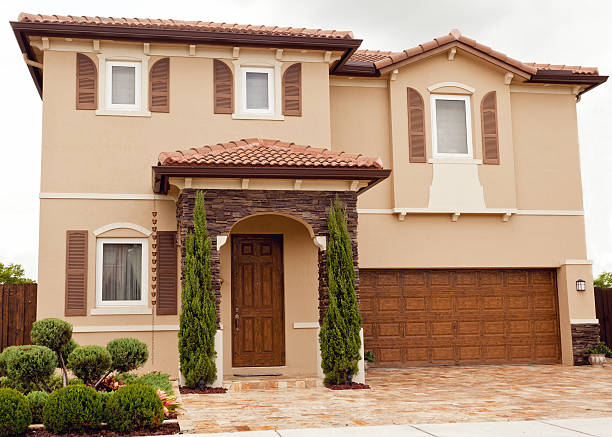
Many people dream of purchasing real estate in Mexico and it is definitely a tempting and wonderful idea! It doesn’t matter if you want to retire on Playa del Carmen or in a Merida condo, the dream of trying something new is enticing. Make sure you do your research before you make any purchase like you would with any other investment. There are many questions you might have about Mexico real estate, including the risk of buying property in Mexico. We have some great news!

Mexico is a safe country to purchase property. Foreign investors can purchase and sell property easily by following the simple guidelines set out by the government for foreign investors. Mexican real estate is an easy investment with a lot of upside potential. In fact, one of the many available homes for sale in Mexico might become the best decision you ever made!

Are Foreigners Allowed to Buy Mexican Real Estate?

Yes! Foreigners can buy, rent, lease, sell and will their property to their heirs using fideicomisos or by creating a company.

Fideicomisos are a Mexican bank trust created by the Mexican government. A trust in Mexico functions in the same way as a trust in Canada or the United States. This arrangement allows you to hold the title of the property in your name at a Mexican financial institution. Your property can’t be sold or modified unless you are the beneficiary of the trust, just like it is in Canada and America. While the bank gives you the vessel to hold title, the title of the property belongs to you and is not considered an asset.

The trust system was created by the Mexican government to allow foreign property investors to be permitted to buy without the need to revise Mexico’s entire Constitution. This is because the country previously prohibited foreigners from purchasing property within the “Restricted Zone” which is an area located 50km from the coast or 100km from the border. These trusts are available on 50-year terms and can be transferred.

Mexican Real Estate

It is a Myth That You Can Lose Ownership of Your Property in Mexico; Don’t Believe It

Because of the previous restriction on foreign buyers being allowed to buy land and property within Mexico, the myth that Mexican property ownership can be lost is still popular. This notion dates back to a time when Mexican real estate laws were not liberalized. As previously mentioned, foreign buyers could not purchase land within the Restricted Zone in the past. These laws were altered almost 30 years ago and foreigners can now legally and safely buy Mexican property! 

The authorities encourage foreigners to buy property in Mexico by allowing them to use trusts or establish Mexican companies. You can rest assured that the government and anyone else cannot take any of your profitable properties away if you follow the steps for foreign ownership!

Mexican Real Estate

Use a Credible Real Estate Agent to Help You Through the Mexican Real Estate Process

Mexico has different property laws and regulations than the United States. It’s a good idea for you to hire an experienced Mexican real estate firm that is familiar with Mexican law. This will ensure that you have the most up-to-date and accurate information.

One example of a time when you will need the help of a real estate company in Mexico is when you have to sign all the paperwork as the law in Mexico requires legal contracts to be written in Spanish. This means that no sale contract, regardless of how formal it may look, will be legally binding if it is written in English. It is important to remember that an exact translation of the contract is required if it is written in both Spanish and English. 

A good real estate agent has a lot of knowledge, which is important when you are looking to buy any property especially in a foreign country like Mexico. Their knowledge and experience in helping clients buy a home in Mexico is unsurpassed.

Mexican Real Estate

Conclusion

Do some thorough research and contact a reputable real estate agent in Mexico to get the best advice and access to Mexico real estate professionals with the most experience. They will help you understand the process and teach you everything you need about purchasing property in Mexico!

Why You Need Flood Insurance

Why You Need Flood Insurance
Flood Insurance

If you are looking into getting homeowners insurance, you may ask yourself: Should I get flood insurance? If you live in Louisiana, you might not know that it’s a requirement to have flood insurance if your home is located in a zone at risk for flooding. That means even if your home has never flooded before, you still need to get this coverage. Floods are unpredictable and can happen without warning; so make sure you’re protected with the right kind of insurance.

Flood Damage is Costly to Fix

According to the National Flood Insurance Program (NFIP), flood damage is not covered under standard renters, condo owners, or homeowners insurance policy. The damage that can be caused from flooding to your home could burn a huge hole in your wallet, especially since a small amount of water could cause damage.

The different types of damages that can occur to your home are structural damage, electrical damage, and defunct sewage systems. In addition to flood damage being covered by flood insurance, it also includes emergency services like sandbagging and evacuation. If you need help paying for flood damage repairs after a flood, this could be more than just a smart financial move. 

Flood Insurance

Flood Insurance Will Save You Money in the Long Run

This extra coverage can be affordable, especially compared to paying for the flood damage repairs mentioned above out of pocket. In fact, premiums are still subsidized by the federal government and can cost less than $400 per year on average! 

If you have received flood damage from heavy rainfall or rising waters caused by any means and need help paying for repairs after the fact, having flood insurance through NFIP may cover up to $250,000 in flood damage to your home. Having this will keep your mind at ease at times like these when hurricanes are on the horizon.

Flood Insurance

It’s the Law

Making matters worse, if you didn’t get flood insurance because your area was labeled a low-risk zone by FEMA or simply thinking that you couldn’t afford it or flood coverage, you could be in for a shock. In Louisiana, flood insurance is required if your home is located in a flood zone and covered by a federally backed mortgage loan — there’s no three-day waiting period here. 

NFIP flood maps show areas at high risk of flooding based on historical data, topography (elevation), and flood protection measures like levees or dams. If you live within a designated Special Flood Hazard Area NFIP flood insurance is mandatory — it’s the law.

Flood Insurance

Conclusion

Though not everyone needs it, flood coverage is a good idea for those at risk of flooding or who have federally backed mortgages in high-risk areas. Nationwide, an estimated 25 percent of all policyholders nationwide do not need NFIP to obtain coverage because they don’t live in Special Flood Hazard Areas — but there is no reason why you shouldn’t get it if you can afford it and need it.

For flood protection and peace of mind, flood insurance is a good idea for everyone who lives in high-risk flood zones and it can protect you from the financial consequences that come from flood loss. After you begin to think about when to buy a home, remember to look into flood insurance, however, only if you need it — do not get it because you think your homeowners policy will cover the damage.

How Do I Get a Homeowners Insurance Quote?

How Do I Get a Homeowners Insurance Quote?

Are you looking for affordable homeowners insurance for your home? If you are, there are ways to make your insurance more affordable. If you have a clean home with no major damage and you haven’t had to file any claims in the past few years, you will probably have a very affordable insurance policy. It’s smart to have a basic understanding of what your policy actually provides coverage for. Home insurance policies generally come with coverage for a variety of different risks. For instance, a basic policy might provide coverage for theft, fire, smoke, damage from flood, vandalism, explosions, and a few other things. Many policies also give you the option to purchase additional insurance coverage that you may need to protect your home against other risks.

Look For Free Homeowners Insurance Quotes Online

Get free quotes online and compare one site to another. There are many websites out there that will give you an instant quote of how much your home is worth. This can help you determine what your budget is for your insurance. Remember, cheap homeowners insurance quotes are always relative to the information you provide. Your personal information will affect the amount of your premium. Visit at least three sites to get a variety of quotes. Look at the information they give you honestly. Don’t let the company talk you into anything that doesn’t make sense.

Research What Kind of Homeowners Insurance You Want

Make sure you know the kind of home insurance coverage you want. Make sure you understand what kind of coverage you’re getting. If you don’t, you’ll be shopping from a limited set of options and can’t make comparisons properly. Get everything in writing before you sign anything. This way you know you’re getting an affordable offer.

Homeowners Insurance

Look Into Insurance for Home Contents

Many insurance companies offer home contents coverage for cheap rates. This is because many homes have contents such as clothing, jewelry and furniture. Sometimes these items can be damaged or stolen. Make sure you have extra coverage to cover this type of damage. It’s worth more in the eyes of the insurance company if you have more coverage on it. This means items that have sentimental value or are very important to you should be insured more. If you have valuables that are important to you, consider paying a little more for them. You’ll probably save money in the long run if you have extra coverage on your homeowner’s insurance quote.

Search For Companies that Offer Discounted Homeowners Insurance

Look at what other companies will offer you as a discount. You may not want to buy the most expensive homeowners insurance policy out there. That doesn’t mean you shouldn’t look around and see what is available to you. Check into discounts for several companies. You can also take advantage of offers from the company that insures your home itself. You can combine home insurance with your life and car insurance for a discount. You can also qualify for discounts for having a good credit score and for being a homeowner.

Homeowners Insurance

Conclusion

Protecting your home and family is important. From home coverage to real estate protection, getting homeowners insurance quotes to fit your individual needs and budget is one of the most important parts of buying a home. Some insurers offer multiple quotes at a time to allow you to compare prices. Other insurers offer single rates from one company to several companies. To find an affordable home insurance quote, talk with your agent.

Tips to Help Find the Best Homeowners Insurance Companies of 2021

Are you looking for the Best Homeowners Insurance Companies for 2021? Well, there are quite a few of them out there, especially with the way that real estate trends have been going this year. But, you will need to know what kind of coverage they offer and at what rate. You need to have insurance that provides you with ample protection at an affordable rate. Here is what you should know.

Owning a Home Before Obtaining Homeowners Insurance

First, when it comes to insurance, there are a variety of different types of insurances that one can obtain. However, not all of these insurances are available from a single company. In order to get coverage from an insurance company, you will need to be a homeowner. This means that you should either own your home or you should lease it in order to be able to obtain the right type of insurance.

Qualifying For the Right Homeowners Insurance

Next, you will also need to know how long you have owned your home to qualify for the right type of insurance. Homeowners are usually eligible for a reduction in their monthly payments because of the fact that they made their payments on time. This means that the company is more likely to extend lower rates to you. If you do not own your home anymore, then you will not be eligible for such a reduction.

Why Is This Homeowners Insurance Company Offering You Their Services?

The third thing to know about an insurance company is the reason why they are offering you their services. Do not just accept the first company that comes calling to give you a quote. Take time to find out as much as you can about the insurance company. Ask yourself, “What does the homeowners insurance cover?“. Find out what has been previously offered and what other customers have experienced. Do not base your decision on the lowest quote that you are given. Go with the company who will give you the most protection.

Take Your Time When Choosing A Homeowners Insurance Company

The last tip is to take your time before purchasing any insurance policy. Insurance sales people are experts at getting your attention. They will always try to get you to sign on the dotted line as quickly as possible. Take your time, weigh your options, and decide what will work best for you. It may seem like common sense, but it really pays off in the long run.

Conclusion

Now, you can compare the best homeowners insurance companies for your needs. Look up each insurance company online. See what other people have to say about them. You should also ask for discounts from different companies. If you do all of these things, you will end up with a great policy at a price that you can afford.

Real Estate Trends – Important Guide To Finding Profitable Properties

Real Estate Trends – Important Guide To Finding Profitable Properties

The real estate market in the United States of America is going through different trends and cycles that can last for several years. The best thing that you can do for yourself is to know these real estate trends. Trends are considered as the new normal in real estate. With this, it is very important for real estate agents and homeowners alike to be aware of how real estate trends will affect their business. By knowing these trends, they will be able to predict what the future brings to real estate businesses.

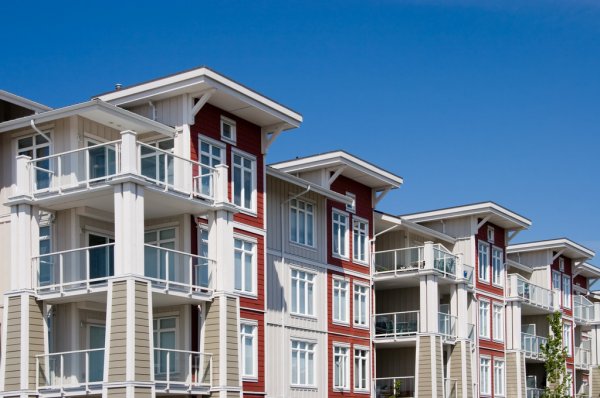
Condo Sales

One of the most common real estate trends in the current market is the increase of condo sales. This has been caused by a lot of factors including the growth of the American economy. At the same time, there are a lot of people who are purchasing homes especially those condos which are located in areas where population growth is very high. With this, there are also more condo units for people to buy.

Foreclosure Increases

Another one of the real estate trends in the current market is the increase of foreclosures. Foreclosures happen when the mortgage holder will not be able to pay the debt to the lending company of the mortgage. When this happens, the owner will have to give back the property to the lender or mortgage company. When there are a lot of foreclosures in the market, the price of real estate will naturally go down.

Population Shifts From Metropolitan Areas To Cities

Another thing that you need to know about real estate trends is the shifting of population from metropolitan areas to the cities. There are a lot of reasons why this population shift is happening. One of the biggest reasons is that the standard of living in the cities is way too high compared to the living standards of rural areas. Aside from that, there are also transportation and infrastructure improvements that are being made in the cities to allow for better living. And so, people are choosing to live in the cities since they offer a better lifestyle.

Price

Probably the most important thing to remember when you are looking at real estate trends is to look into properties that are priced reasonably. If you get into properties that are overpriced, then you will have to make huge losses in the short run. On the other hand, if you get into properties that are underpriced, then you may still end up making a profit in the long run. It all depends on how good of a real estate investor you are.

Conclusion

In real estate, the market trend will always go up and down. And no matter what real estate trends are today, they will surely change in the future. Keep an eye on the latest real estate news and homes for sale in your area. You never know when some good deals will come up. And with the information you read today, you can find the best real estate investment that will work for you.