
Insurance Industry Data: Uncovering Premium Discounts for New and Impact-Resistant Roofs
Your homeowner’s insurance premium is one of the biggest recurring costs of owning a home. It’s a necessary expense, but one that often feels like a financial drain. But what if the single biggest part of your house—your roof—could actively lower that bill instead of just being another expense?
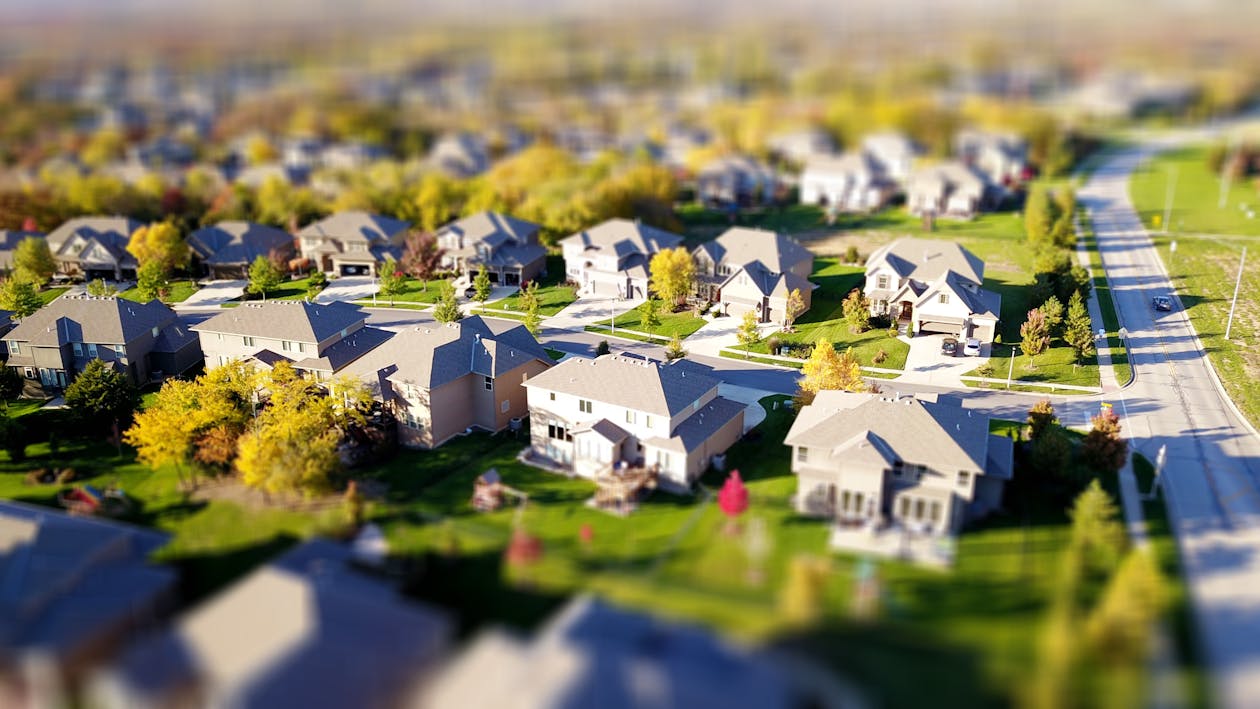
Insurance companies are fundamentally data-driven organizations. They build their business models on assessing risk, and their vast pools of data show, with statistical certainty, that certain types of roofs pose a much lower risk of leading to a costly claim. This isn’t about guesswork; it’s about a calculated financial decision on their part that you can leverage for your own benefit.
In this article, we’ll dive into the insurance industry data to show you exactly how a new or impact-resistant roof can lead to significant premium discounts. At homesrun.net, we believe in providing homeowners with high-value expertise, and our goal here is to give you a step-by-step guide to understanding and claiming the savings you deserve.
Key Takeaways
- Roofs are a primary risk factor: Roof-related damage from wind, hail, and water is a leading cause of homeowner’s insurance claims, making your roof’s condition a key factor in determining your premium.
- Insurers reward mitigation: Insurance companies offer significant premium discounts—often ranging from 5% to 35%—for homes with certified impact-resistant roofs (especially Class 4 rated).
- Documentation is non-negotiable: To claim your discount, you must proactively provide your insurance agent with specific proof, including the roofer’s invoice and the material’s UL 2218 certification.
- The ROI is multifaceted: The financial benefit of an upgraded roof extends beyond the premium discount to include avoiding high deductibles, preventing costly repairs, and potentially increasing your home’s resale value.
Why Your Roof is a Multi-Million Dollar Concern for Insurance Companies
To understand why an insurer is willing to give you a discount, you first have to understand their perspective. To them, your roof isn’t just a part of your home; it’s a massive variable in a complex risk equation.
The Roof: Your Home’s First Line of Defense Against Claims
Your roof is the shield that protects everything and everyone inside your home from the elements. When that shield fails, the results are often catastrophic and expensive. Water intrusion from a leaky or damaged roof can destroy ceilings, walls, flooring, and personal belongings, leading to complex and high-cost claims.
The numbers back this up. According to the Insurance Information Institute, water damage and freezing are the second most frequent cause of homeowner’s insurance claims. When you add in claims from wind and hail, it becomes clear that a significant portion of an insurer’s losses originates from roof failure. This is why they pay such close attention to the age, material, and condition of your home’s primary protective layer.
Analyzing the Risk: How Insurers Use Data to Price Your Premium
Insurance premium calculation is a science of risk assessment. An underwriter analyzes dozens of data points about your property to predict the likelihood that you will file a claim in the future. When it comes to your roof, the formula is straightforward:
- Old Roof: An aging roof with worn-out shingles, curled edges, or missing granules is a red flag. The data shows it is statistically more likely to fail during a storm. Higher Perceived Risk = Higher Premium.
- New, Standard Roof: A brand-new roof built with standard materials is a significant improvement. It has its full lifespan ahead of it and is less likely to have immediate issues. Lower Perceived Risk = Lower Premium.
- New, High-Performance Roof: A new roof constructed with materials specifically engineered to resist impacts from hail and wind is the gold standard. It represents the lowest possible risk. Lowest Perceived Risk = Lowest Premium.
Your insurer isn’t just guessing. They are using decades of claims data to justify charging more for a home with a 20-year-old asphalt shingle roof than for one with a brand-new, Class 4 impact-resistant system.

Uncovering the Discounts: The Two Types of Roofs Insurers Reward
Now that you understand the “why,” let’s explore the “what.” Insurers primarily offer premium reductions for two specific roofing scenarios, each with its own logic and potential for savings.
The “New Roof” Discount: Why Age Matters
The most common and straightforward discount is for simply having a new roof. The logic is simple: new materials installed correctly by a professional are far less likely to leak or suffer damage in the near future compared to an older, weathered roof. The materials are at peak strength, the seals are fresh, and the workmanship is (ideally) under warranty.
This discount is often automatically applied if you notify your insurer, but it’s important to know that its value may decrease over time. An insurer might give you a 10% discount for a roof that’s 1-2 years old, which might shrink to 5% when the roof is 5 years old, and disappear entirely after 10 years.
The “Impact-Resistant Roof” Discount: Built to Withstand the Storm
This is where the most substantial savings are found. An impact-resistant roof is one constructed with materials specifically engineered and tested to withstand damage from hail and flying debris. These are not your standard shingles. They are often made from materials like rubberized asphalt or specialized polymers that can absorb the force of an impact without cracking or breaking.
To get this discount, you need to know the key terminology. The industry standard for impact resistance is the UL 2218 Standard for Impact Resistance of Prepared Roof Covering Materials. Materials are tested by dropping steel balls of varying sizes from different heights to simulate hail. Based on their performance, they receive a rating from Class 1 to Class 4.
The Data Decoded: How Much Can You Actually Save on Premiums?
This is the critical question for any homeowner considering an upgrade. While the upfront cost of a high-performance roof is higher, the long-term financial picture is compelling.
A Look at the Numbers: Average Premium Discounts Revealed
The exact discount you receive will depend on your state, your specific insurance carrier, and your policy details. However, data from across the insurance industry shows a clear trend. Homeowners with qualifying impact-resistant roofs can see premium discounts ranging from 5% to as high as 35%.

For a homeowner paying $2,500 annually for insurance, a 20% discount translates to $500 in savings every single year. Over the 20-30 year lifespan of the roof, that adds up to $10,000-$15,000 in saved premiums alone.
Understanding Impact-Resistant Ratings (Class 1 to Class 4)
To unlock these savings, you need to ensure your roofing material has the right certification. The Class 4 rating is the key to maximizing your discount.
| Rating Class | Resistance Level & Test | Typical Insurance Discount |
|---|---|---|
| Class 1 | Withstands a 1.25-inch steel ball dropped from 12 feet. | Unlikely to qualify for a discount. |
| Class 2 | Withstands a 1.5-inch steel ball dropped from 14 feet. | May qualify for a very small discount with some carriers. |
| Class 3 | Withstands a 1.75-inch steel ball dropped from 17 feet. | Often qualifies for a moderate discount (e.g., 5-15%). |
| Class 4 | Withstands a 2-inch steel ball dropped from 20 feet. | The gold standard. Unlocks the highest available discounts. |
When speaking with a roofer, always ask for materials with a UL 2218 Class 4 rating if your goal is to secure the best possible insurance premium reduction.
The Long-Term ROI: It’s More Than Just the Premium Discount
Framing a Class 4 roof as an investment rather than an expense is crucial. The return on investment (ROI) comes from multiple streams:
- Premium Savings: The consistent, year-after-year reduction in your homeowner’s insurance bill.
- Deductible Savings: The single biggest financial benefit may be the claim you never have to file. If a hailstorm damages every standard roof in your neighborhood but leaves your Class 4 roof unscathed, you’ve just saved yourself from paying a deductible that could be thousands of dollars.
- Reduced Repair Costs: These roofs are simply more durable, meaning fewer miscellaneous repairs for wind-blown shingles or minor leaks over the life of the roof.
- Increased Home Value: A certified impact-resistant roof is a powerful selling point for potential buyers, especially in areas prone to severe weather, potentially increasing your home’s resale value.
When you combine these factors, the higher upfront cost is often offset within a reasonable number of years, making it a wise financial decision with multiple benefits, including how a new roof saves money on energy and insurance.
Your Action Plan: How to Claim Your Roof Discount
Insurance companies will not automatically apply these discounts. You must be a proactive advocate for your own savings. Follow these simple steps.
Step 1: Gather Your Documentation (The Proof is in the Paperwork)
After your new roof is installed, your roofer must provide you with the correct documentation. Do not consider the job complete until you have these items in hand:
- The Final Invoice: This should clearly state the date of installation and the specific roofing material used (e.g., “GAF ArmorShield II Class 4 Shingles”).
- Material Specifications: A product fact sheet or brochure that lists the features.
- The UL 2218 Certification: This is the most important document. It may be called a “Product Approval Form” or a “Certificate of Installation.” It is the official proof that your materials meet the Class 4 standard.
Step 2: Contact Your Insurance Agent (Know What to Ask)
With your documents ready, call or email your insurance agent. Don’t simply say, “I got a new roof.” You need to be specific and use the right language to trigger the right discount.
Provide them with a clear, direct request. For example:
“Hello, I am writing to inform you that I have just completed a full roof replacement on my insured property at [Your Address]. We installed a [Product Name] roof, which has a UL 2218 Class 4 impact-resistance rating. Can you please tell me what documentation you need from me to apply the ‘hail-resistant roofing’ or ‘fortified home’ discount to my policy, effective immediately?”
This phrasing shows you’ve done your research and directs them to the specific, high-value discount you are seeking.
Step 3: Follow Up and Verify the Discount
After you submit your documents, don’t assume the process is complete. Ask your agent to send you a revised policy declaration page showing the new, lower premium. When your next bill or policy renewal statement arrives, check it carefully to ensure the discount has been applied correctly. A little diligence here ensures you receive the savings you’ve earned for years to come.
Turning Your Roof Into a Financial Asset
Your roof will always be one of the most significant expenses associated with your home. But it doesn’t have to be a passive one. The data from the insurance industry is unambiguous: investing in a durable, new, and certified impact-resistant roof directly reduces the financial risk for your insurer, and they are willing to reward you for it.
By understanding the insurance industry data, you can make an informed decision about your next roof replacement. It’s not just an expense—it’s an investment in your home’s safety, its long-term durability, and your own financial well-being. At homesrun.net, we are committed to providing you with the actionable intelligence you need to make smarter decisions and get the most value out of your home.