
5 Hyper-Local SEO Strategies to Dominate Your City’s Search Results
Are you a local business owner wondering why you’re not showing up in Google searches, even when people are just a few blocks away? You’ve mastered your craft, but getting noticed in a specific neighborhood can feel like shouting into the wind. This is a common frustration for service providers who find their expertise isn’t translating into local digital visibility, especially when potential customers are nearby. In fact, according to Google, 76% of people who conduct a local search on their smartphone visit a related business within 24 hours, highlighting the immense opportunity you might be missing.
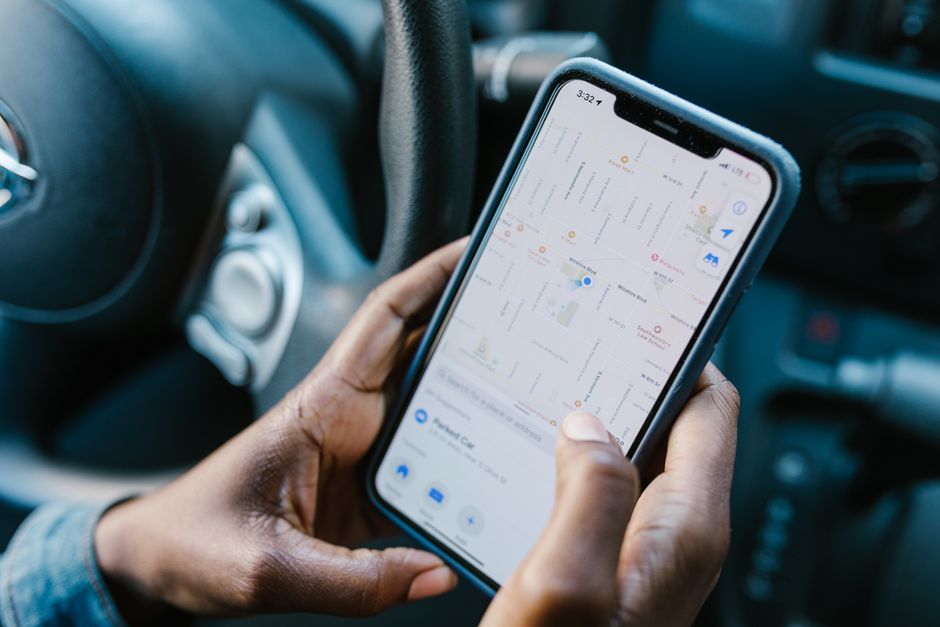
At homesrun.net, we connect communities with top-tier local businesses, and we understand that true visibility isn’t just about being found in your city—it’s about being the top choice in the specific neighborhoods you serve. This guide moves beyond general “local SEO” to give you five actionable hyper-local strategies. We’ll explore how to drill down past the city level and establish your brand as the go-to authority in the micro-communities that matter most.
Follow these five proven strategies to stop being invisible and start dominating your city’s search results, one neighborhood at a time.
Key Takeaways
- Strategy 1: Master Your Google Business Profile: Fine-tune your GBP with precise service areas, neighborhood-specific keywords, and locally-focused Q&As to become the primary result for nearby customers.
- Strategy 2: Create Neighborhood-Specific Content: Develop dedicated pages and blog posts for the individual neighborhoods you serve to prove your local authority and relevance to search engines.
- Strategy 3: Build Hyper-Local Backlinks: Earn links from other businesses, community groups, and news outlets within your target neighborhoods to build digital trust and local prominence.
- Strategy 4: Implement Local Business Schema: Use structured data (schema markup) to explicitly tell Google your exact location, hours, and service areas, leaving no room for ambiguity.
- Strategy 5: Leverage Geotagged Reviews: Actively encourage customers to mention their neighborhood in reviews and respond with localized language to create powerful social proof for your service area.
TL;DR
To dominate local search, you must go beyond city-level SEO and focus on hyper-local tactics. This involves optimizing your Google Business Profile for specific neighborhoods, creating content for those areas, building local backlinks, using schema markup, and encouraging geographically specific customer reviews.
How can I make my Google Business Profile rank higher in a specific neighborhood?
Optimizing your Google Business Profile for a specific neighborhood involves precisely defining your service areas and embedding local keywords throughout your profile. While many businesses list their city, hyper-local leaders go deeper by detailing the exact communities they serve, answering questions about local landmarks, and using posts to highlight work done on a specific street or in a particular subdivision. This granular approach signals to Google that your relevance is not just city-wide, but street-deep.
Define Granular Service Areas
The service area feature in your Google Business Profile (GBP) is one of the most powerful yet underutilized tools for hyper-local SEO. Instead of entering a single, broad city name like “Denver, CO,” you should list the individual neighborhoods, districts, or even postal codes you serve.
To do this, log in to your GBP dashboard, navigate to the “Info” tab, and find the “Service areas” section. Here, you can add up to 20 distinct locations. Be specific. List “Highlands,” “Capitol Hill,” and “Cherry Creek” as separate entries. This tells Google’s algorithm exactly where your customers are, increasing the likelihood that you’ll appear in the “map pack” for a user searching from within one of those zones.
Use Neighborhood Keywords
Infusing your profile with neighborhood-specific keywords reinforces your geographic relevance. Don’t just say you’re a plumber; be the plumber for a specific community.
- Business Description: Weave neighborhood names naturally into your 750-character description. For example: “For over 15 years, we’ve been the trusted plumber for historic homes in the Baker neighborhood and modern condos in LoHi.”
- Services & Products: When you add services or products to your profile, customize their descriptions. Instead of a generic “Leak Repair” service, create one titled “Emergency Leak Repair in Capitol Hill” with a description that mentions common issues in that area’s older buildings.
- GBP Posts: Use the “What’s New” post feature to showcase recent projects. Post a photo of a completed job with a caption like, “Just finished a beautiful kitchen remodel on Elm Street in the Park Hill neighborhood! We love working with these classic brick homes.”
Answer Local Questions in GBP Q&A
The Q&A section of your GBP is a public forum where potential customers can ask questions. You don’t have to wait for them to do so. Proactively populate this section with your own questions and answers that contain hyper-local keywords. This strategy allows you to control the narrative and embed crucial location signals.
Frame questions as a potential customer would:
- Q: “Do you offer emergency roof repair in the Wash Park area after a hailstorm?”
- A: “Yes, we absolutely do. We prioritize emergency calls in Washington Park and can typically have a technician on-site within an hour to assess hail damage. Our team is very familiar with the roofing materials common in the neighborhood.”
This not only answers a practical question but also reinforces your expertise and service presence in a specific, named location.
What kind of content should I create to attract local customers?
Creating dedicated pages or blog posts for each neighborhood you serve signals to Google that you are the go-to authority for that specific area. This content proves you understand the unique character, needs, and landmarks of the community, making you more relevant to a searcher in that location. When someone searches for “landscaper in Green Valley Ranch,” a dedicated page on your site about landscaping in that area is far more likely to rank than a generic homepage.
Build “Neighborhood Pages”
A “neighborhood page” is a landing page on your website exclusively dedicated to one of the communities you serve. This is your digital storefront for that specific area. An effective neighborhood page should include:
- Localized Service Descriptions: Explain how your services are tailored to the needs of that neighborhood. Mention local architecture, common problems (e.g., clay soil affecting foundations), or specific building codes.
- Testimonials from Local Clients: Feature reviews from customers in that neighborhood, explicitly mentioning the location.
- Project Photos/Case Studies: Showcase work you’ve completed in the area. Geotagging these images before uploading can provide an extra SEO boost.
- Local Landmarks and Information: Mention nearby parks, schools, or community centers to further ground your page in the local context.
Industry Relation Example (homesrun.net): A home services marketplace like homesrun.net could feature a page like “The Best Handyman Services in Five Points.” This page would do more than list providers; it would discuss common repairs for the area’s historic Victorian homes, showcase before-and-after photos from local projects, and link directly to the profiles of verified handymen who specialize in that neighborhood. Building out a comprehensive set of these pages is a core strategy, and you can review a site’s structure by examining its sitemap, like our own https://www.homesrun.net/page-sitemap.xml.
Write Hyper-Local Blog Posts
Your blog is a powerful tool for establishing topical and geographical authority. Go beyond writing about your own services and create content that is genuinely useful to the community you’re targeting. This approach, known as “shoulder content,” builds trust and attracts local traffic, even from people who aren’t ready to buy just yet.
Consider these hyper-local blog post ideas:
- “A Homeowner’s Guide to Dog-Friendly Parks in the Sloan’s Lake Neighborhood”
- “Our 5 Favorite Coffee Shops to Work From Near Cheesman Park”
- “Navigating Historic District Remodeling Permits in the Highlands”
- “Fall Gutter Maintenance Tips for Homes in Stapleton’s Leafy Streets”
Each of these posts establishes you as a helpful local expert. By linking from these articles back to your relevant neighborhood service pages, you create a powerful internal linking structure that boosts the authority of your entire website. A well-organized blog, as seen in our https://www.homesrun.net/post-sitemap.xml, can become a cornerstone of your local marketing.

How do I get other local websites to link to my business?
Acquiring backlinks from other well-regarded local businesses and community organizations is a powerful signal to search engines of your local relevance. These digital “votes of confidence” from your neighbors tell Google that you are a legitimate and active part of that specific community’s ecosystem. A link from the city’s chamber of commerce carries more weight for local SEO than a generic link from an unrelated national blog.
Sponsor a Local Event or Team
Community involvement is not just good for business—it’s great for SEO. Sponsoring a neighborhood little league team, a local 5k charity run, or the weekly farmer’s market often comes with a significant digital perk: a backlink. When you become a sponsor, ensure your business name and a link to your website are featured prominently on the event’s or team’s “Our Sponsors” page. This creates a highly relevant, hyper-local backlink that Google’s crawlers will recognize as a strong indicator of community ties.
Join a Neighborhood Business Association
Most established neighborhoods have their own business associations or merchant groups. Joining one of these organizations is an excellent way to network and build your local presence. From an SEO perspective, the primary benefit is often a listing in the association’s online member directory. This directory listing almost always includes a link back to your website. This is a high-authority, topically relevant backlink that directly associates your business with a specific geographic area.
Host a Local Workshop or Event
Position yourself as an expert by hosting a free workshop or community event. A landscaping company could host a “Spring Planting for Beginners” workshop, or a roofer could host a “Hail Damage Prevention” seminar. Partner with a non-competing local business, like a coffee shop or community center, to host it. Then, promote your event on local online calendars (like those run by local news stations or city websites) and community Facebook groups. Most of these platforms will allow you to include a link back to your event registration page, generating multiple relevant backlinks from a single initiative.
What is local schema markup and how does it help my SEO?
Local schema markup is a code you add to your website that explicitly tells search engines your exact address, service area, and business hours in a language they can easily understand. This structured data removes any guesswork for Google, helping it confidently display your business in the local map pack and knowledge panels for relevant searches. It’s like giving Google a perfectly filled-out form about your business instead of making it read through your website and guess the details.
Understanding LocalBusiness Schema
Schema markup uses a specific vocabulary from Schema.org, a collaborative initiative by search engines. For local businesses, the most important type is LocalBusiness. Within this type, you can specify key properties that leave no room for misinterpretation:
address: Your physical street address.geo: Your precise geographic coordinates (latitude and longitude).openingHours: Your hours of operation for each day of the week.areaServed: The geographic areas you serve. This is where you can list the specific neighborhoods, cities, or postal codes, mirroring the granular detail from your GBP.
By providing this data directly, you make it incredibly easy for search engines to match your business to a local search query.
How to Implement Schema
You don’t need to be a master coder to implement basic schema. Tools like Google’s own Structured Data Markup Helper can guide you through the process of tagging elements on your website and generating the necessary code.
Once generated, this code snippet (usually in a format called JSON-LD) should be added to the <head> section of your website’s HTML. It’s best practice to add it to your homepage, contact page, and—most importantly for hyper-local SEO—each of your dedicated neighborhood pages. On each neighborhood page, you can customize the areaServed property to be specific to that single location, creating an incredibly strong signal. For businesses looking to ensure this technical implementation is flawless, the expert services of firms like One Click GEO can help implement complex schema and other advanced digital strategies.
How can customer reviews improve my local search ranking?
Encouraging customers to mention their neighborhood or a local landmark in reviews provides Google with strong, user-generated proof of your service area and authority. When Google’s algorithm sees multiple reviews confirming you did great work in “the Highlands,” it reinforces your relevance for searches originating from that area. These localized reviews act as social proof not just for other customers, but for the search engine itself.
Prompt for Location in Review Requests
You can gently guide your customers to provide this valuable local context. When you send a follow-up email or text message asking for a review, frame the request with a location prompt. Instead of a generic “Please leave us a review,” try something more specific:
“Thank you for choosing us! We’d love to hear about your experience with our recent service in the [Neighborhood] area. Your feedback helps us and your neighbors.”
This simple addition makes it much more likely that the customer will naturally include the neighborhood name in their review, creating a keyword-rich testimonial that directly supports your hyper-local SEO efforts.
Respond with Local Context
Your responses to reviews are just as important as the reviews themselves. Every response is another opportunity to inject local keywords and demonstrate your community engagement. When a customer leaves a positive review, amplify the local signal in your reply.
- Customer Review: “They did an amazing job fixing our fence! Highly recommend.”
- Your Response: “Thank you, Jane! We were so happy to help with your fence project in Sunnyside. It’s one of our favorite neighborhoods to work in, and we’re glad you’re happy with the result!”
This practice not only shows appreciation but also adds another mention of “Sunnyside” to your GBP listing, further strengthening your association with that specific location. Organizing these testimonials on your website by service or location, which can be structured using a clear hierarchy like our https://www.homesrun.net/category-sitemap.xml, can also make it easier for potential customers to find relevant social proof.
Final Thoughts: From Local to Hyper-Local
Winning in today’s search landscape means shrinking the map. General city-wide SEO is no longer enough to capture the most valuable customers—those who are actively searching for services right in their own community. By focusing on specific neighborhoods with these five strategies—optimizing your Google Business Profile, creating targeted local content, building community backlinks, implementing precise schema markup, and leveraging geotagged reviews—you’re not just competing; you’re becoming a neighborhood institution.
At homesrun.net, we believe the strongest businesses are built on deep community roots. Our platform is designed to connect homeowners with trusted, local professionals who are truly part of the neighborhood fabric. Start implementing these hyper-local strategies today, and watch as you become the undeniable search result for the customers right outside your door.