
A home appraisal is one of the most important steps in the real estate transaction process. For both buyers and sellers, it provides an unbiased evaluation of a property’s market value, helping to establish a fair price. Appraisals play a significant role in determining the outcome of a sale, influencing financing, negotiations, and closing details. By understanding the appraisal process, you can avoid potential setbacks and make more informed decisions whether you’re buying or selling a home.
1. What is a Home Appraisal?
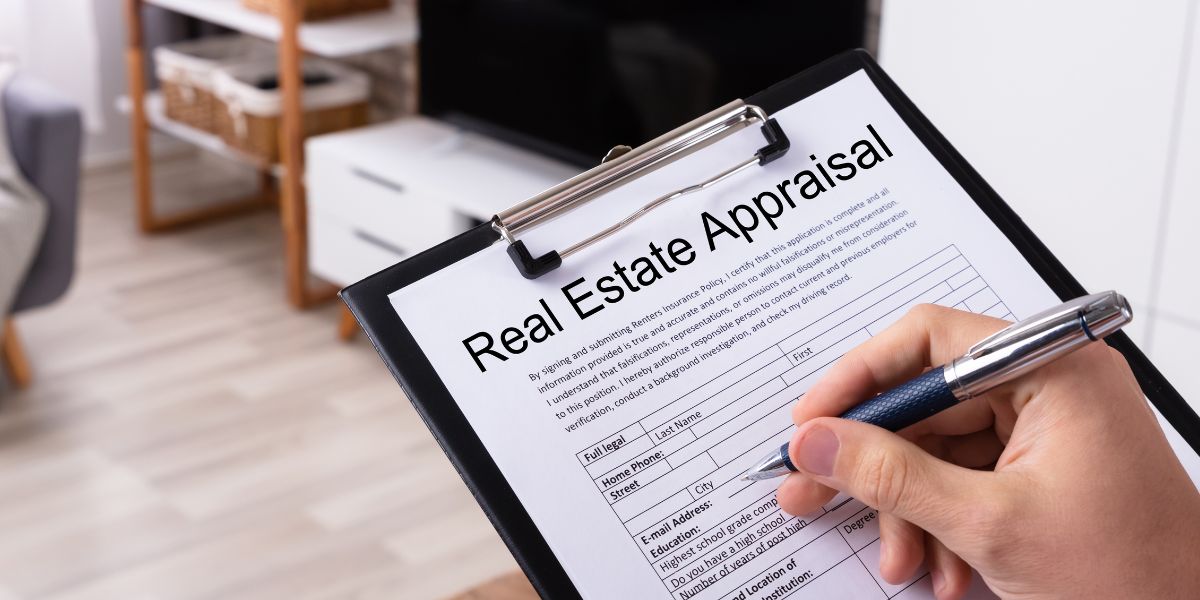
A home appraisal is a comprehensive evaluation of a property’s value conducted by a licensed professional appraiser. This process helps determine the current market value of a home based on factors like its location, condition, size, and the recent sale prices of similar properties (often referred to as “comps”). For lenders, appraisals are an essential step to ensure that they’re not lending more than the home is worth.
The appraiser’s job is to remain impartial, providing a fair assessment that protects both the buyer and the lender. While the seller may set the asking price, the appraised value helps ensure that the sale price is aligned with the property’s true worth. The appraisal typically includes a detailed inspection of the property, a comparison to recent local sales, and a final report on its value.
2. How Appraisals Impact Buyers
For buyers, the home appraisal is critical in ensuring that you’re making a sound investment. A lender will require an appraisal to ensure that the property is worth the loan amount being requested. If the appraisal matches or exceeds the offer price, the sale can move forward as planned. However, if the appraised value is lower than expected, buyers may face significant hurdles.
In the case of a low appraisal, the lender may refuse to finance the full loan amount, leaving the buyer to cover the difference out-of-pocket or renegotiate the purchase price. Alternatively, buyers can choose to contest the appraisal, though this is a more complicated process. Ensuring you’re not overpaying for the property is vital, and the appraisal provides the data to make a confident decision.
3. How Appraisals Impact Sellers
For sellers, the appraisal can serve as a double-edged sword. A favorable appraisal confirms that your asking price is fair, making it easier to close the deal. However, a low appraisal may force you to reconsider your pricing strategy. If the appraisal comes in lower than the buyer’s offer, the buyer may push to reduce the purchase price or cancel the deal altogether.
To maximize your chances of a favorable appraisal, it’s essential to prepare your property in advance. This means making necessary repairs, decluttering spaces, and showcasing upgrades or renovations that might add value. Simple updates, such as fresh paint or landscaping, can improve the appraiser’s perception of the home’s condition, potentially boosting the final value.
4. Factors That Influence a Home’s Appraisal Value
Several factors influence a home’s appraised value, and understanding them can help both buyers and sellers manage expectations:
- Location: Homes in desirable neighborhoods with good schools, low crime rates, and access to amenities like parks, shops, and public transport will typically command higher values. On the other hand, homes in areas with less appeal may see lower appraisals, even if the property itself is in excellent condition.
- Condition: The appraiser will assess the condition of the home, including the structural integrity, roof inspection, foundation, and key systems like heating and plumbing. A well-maintained home is likely to receive a higher appraisal than one that requires significant repairs or updates.
- Comparable Sales (Comps): The appraiser will look at recent sales of similar homes in your area to gauge your property’s market value. These comps are typically from properties that have similar square footage, features, and are located in the same or nearby neighborhoods.
- Market Trends: The state of the broader real estate market also plays a role. In a seller’s market, where demand is high and inventory is low, appraisers may give higher valuations compared to a buyer’s market where home prices are more stagnant or declining.

5. What to Do if the Appraisal is Too Low?
A low appraisal can cause headaches for both buyers and sellers, but it doesn’t have to end the deal. If the appraised value comes in below the agreed-upon sale price, here are a few steps you can take:
- Renegotiate the Sale Price: Often, the most straightforward solution is for the buyer and seller to renegotiate the sale price to match the appraised value. This ensures the buyer doesn’t need to come up with additional funds, and the lender remains comfortable financing the deal.
- Make Up the Difference: Buyers may opt to cover the gap between the appraised value and the sale price by increasing their down payment. While this requires more cash upfront, it can help avoid derailing the transaction.
- Dispute the Appraisal: In some cases, it may be possible to dispute the appraisal. If you believe the appraiser missed critical factors or comps were not accurately selected, you can submit a formal challenge. This often requires providing additional evidence, such as more recent comps or documentation of improvements made to the property.
- Seek a Second Opinion: Some buyers and sellers opt to order a second appraisal, especially if they feel the first one was too conservative. However, lenders typically prefer to stick with the original appraisal, so this strategy may not always work.
Conclusion
Understanding how home appraisals work is a key part of a successful real estate transaction. For buyers, it ensures that you’re making a smart investment, while for sellers, it provides an objective measure of your home’s value. Whether you’re buying or selling, knowing how appraisals impact the process will help you prepare for any challenges and come to the negotiating table with confidence.
By being well-informed, you can better navigate potential obstacles, ensuring a smoother, more efficient sale or purchase. So, when you embark on your real estate journey, make sure the appraisal is an asset in your favor rather than a hurdle to overcome.